

Why Do Dogs Eat Grass?
Dogs eat grass for several reasons, and in many cases, this behavior is normal. Some dogs chew grass out of curiosity, boredom, or instinct, while others may do it in response to mild stomach upset or dietary factors. Pet owners often wonder, “Why do dogs eat grass?” because the behavior can look unusual, especially when followed by gagging or vomiting. Most of the time, grass eating does not signal a serious problem, but certain patterns can point to health concerns. Understanding why dogs eat grass helps you know when to monitor your dog and when to contact your veterinary team.
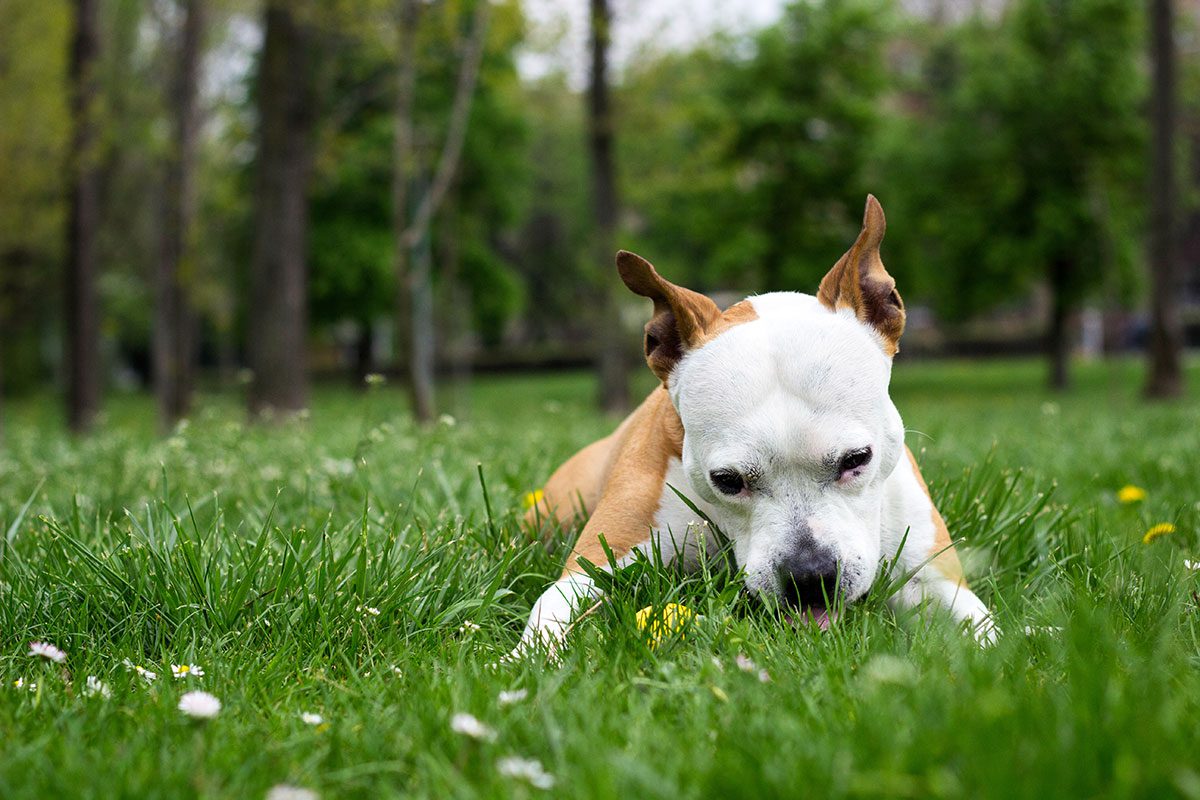
Why Dogs Eat Grass
Dogs explore their environment with their mouths, and grass has a texture and smell that naturally attracts some pets. Puppies and younger dogs may treat grass like a new sensory experience, similar to chewing on leaves or sticks. Adult dogs may continue the habit simply because it has become routine. In many situations, dogs eat grass even when they appear healthy and show no other signs of illness.
Grass eating can also connect to a dog’s natural instincts. Wild canines consume plant material indirectly through prey, and some experts believe domestic dogs retain a mild drive to seek out vegetation. While dogs do not need grass in their diet, the behavior may satisfy an internal urge to chew fibrous material. Environmental factors also play a role, especially for dogs that spend a lot of time outdoors. Access to lawns, parks, and yards makes grass an easy and tempting option.
Behavioral and Environmental Reasons
Behavior often explains why dogs eat grass, particularly in otherwise healthy pets. Dogs that feel bored, under-stimulated, or anxious may chew grass as a way to pass time. Some dogs simply enjoy the act of grazing, especially during walks or playtime outside. Changes in routine, limited exercise, or lack of mental enrichment can increase repetitive behaviors like grass eating. Paying attention to when and where the behavior happens can reveal useful patterns.
Common behavioral triggers include:
- Boredom during unsupervised outdoor time
- Curiosity about new textures and smells
- Mild stress or anxiety
- Habit formed over time
Do Dogs Eat Grass to Vomit?
A widespread belief suggests that dogs eat grass specifically to make themselves vomit. While this can happen, research shows that most dogs that eat grass do not show signs of illness beforehand. Studies observing grass-eating dogs found that only a small percentage appeared sick before grazing. Vomiting after eating grass often results from the physical irritation grass blades cause in the throat or stomach lining.
When a dog vomits after eating grass, it does not necessarily mean the behavior was intentional. The rough texture of grass can trigger gagging, especially if the dog eats quickly. Some dogs may learn that eating grass leads to relief if they feel mildly nauseous, but this is not the primary reason for most dogs. Occasional vomiting linked to grass can be normal, but frequent episodes deserve attention. Ongoing digestive upset can signal a larger issue that your veterinary team should evaluate.
Can Dogs Eat Grass? Is It Safe?
In general, grass itself is not toxic to dogs, but safety depends on where the grass grows. Lawns treated with fertilizers, herbicides, or pesticides can pose risks if ingested. Public areas may also contain parasites, bacteria, or chemical residues that affect your dog’s health. Even in untreated areas, eating large amounts of grass can cause stomach irritation. Pet owners should consider both the environment and their dog’s overall health when evaluating grass eating.
Potential concerns related to grass consumption include:
- Exposure to lawn chemicals
- Ingestion of intestinal parasites
- Choking hazards from long or tough blades
- Stomach irritation from large quantities
If your dog regularly grazes, try to limit access to areas you cannot verify as safe. Supervised outdoor time allows you to redirect the behavior when needed. Monitoring helps you notice changes in frequency, appetite, or energy level. These details matter when discussing your dog’s habits with your veterinarian.
What Should I Do If My Dog Eats Grass?
If your dog eats grass occasionally and acts normal otherwise, you can usually observe without immediate concern. Watch for patterns such as sudden increases in grass eating, vomiting, or changes in stool. Make sure your dog receives a balanced diet, regular exercise, and mental enrichment. Dogs with structured activity often show fewer repetitive behaviors. Keeping notes about when grass eating occurs can help your veterinary team understand the situation.
Signs That Grass Eating May Be Linked to Illness
Sometimes, grass eating accompanies other symptoms that point to digestive or systemic issues. If your dog seems lethargic, refuses food, or has diarrhea along with grazing, the behavior may relate to discomfort. Repeated vomiting, especially with bile, can signal stomach irritation or other conditions. Sudden behavioral changes also deserve attention. These combinations mean it is time to involve your veterinarian.
Contact a veterinary professional if you notice:
- Frequent vomiting unrelated to meals
- Diarrhea lasting more than a day
- Decreased appetite or weight loss
- Abdominal discomfort or restlessness
How To Stop a Dog From Eating Grass
Stopping grass eating focuses on managing the underlying cause rather than the grass itself. Increasing physical activity and mental stimulation often reduces boredom-related grazing. Interactive toys, training sessions, and structured walks keep dogs engaged. Supervising outdoor time allows you to redirect your dog before grazing starts. Consistency helps reshape habits over time.
Environmental management also plays a role. Keeping your yard clean and avoiding treated areas limits temptation and risk. Some dogs benefit from shorter, more frequent outdoor breaks that focus on movement rather than free roaming. Tracking progress helps you see whether changes make a difference. If grass eating continues despite these efforts, a veterinary evaluation can explore possible digestive or behavioral factors further.
When to Go to the Vet for Your Dog’s Grass Eating Habit
Grass eating alone rarely requires urgent care, but certain signs should prompt a veterinary visit. Persistent vomiting, blood in vomit or stool, and signs of pain are not normal. Dogs that gulp grass obsessively or act distressed may be trying to cope with underlying discomfort. Puppies, seniors, and dogs with chronic conditions need closer monitoring. Early evaluation helps address problems before they worsen.
Carey Animal Hospital in Cincinnati, OH, supports pet owners who have questions about behaviors like grass eating. If you feel unsure about what you are seeing, professional guidance can bring clarity. Call (513) 531-7117 to discuss your dog’s symptoms or request an appointment online. A veterinary exam provides a full picture of your dog’s digestive and overall health. Your care team can also rule out parasites or other concerns tied to outdoor exposure.