

Our Blog
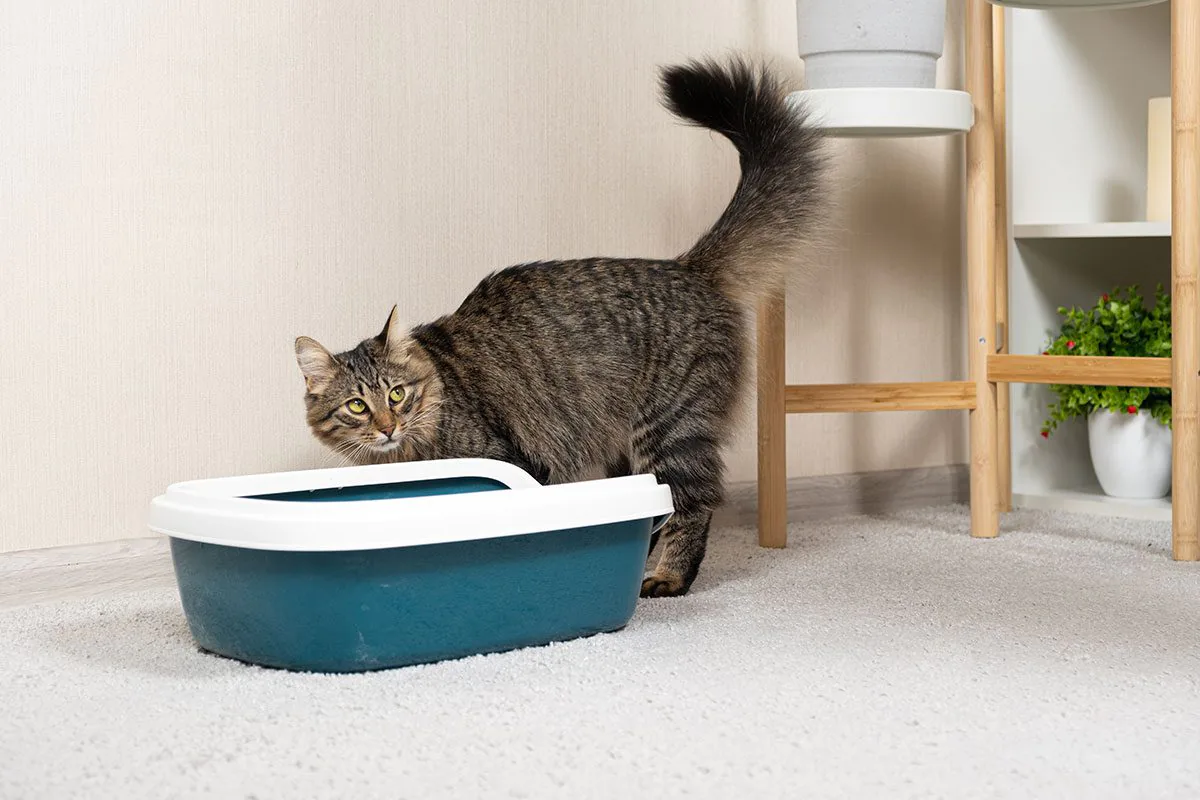
Cats start cat pooping outside litter box areas because something about their health, comfort, or environment does not feel right. Pain, digestive upset, mobility challenges, or urinary and intestinal disease can make using the litter box uncomfortable. Stress, territorial tension, or changes in routine can also trigger pooping outside the litter box behavior. Even subtle…
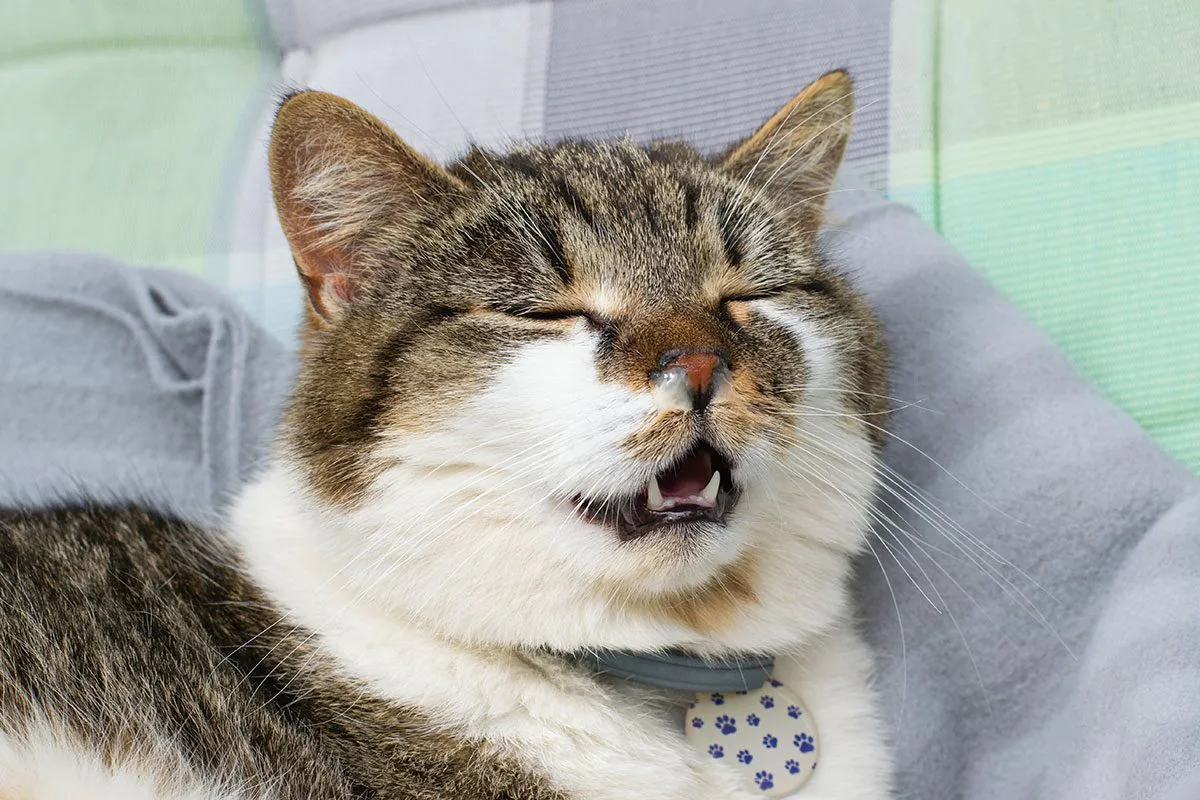
Cat sneezing becomes a concern when it happens frequently, worsens over time, includes nasal or eye discharge, affects appetite or energy, or comes with breathing changes. Occasional cat sneezing can happen from dust or mild irritation, but persistent sneezing in cats often signals infection, inflammation, dental disease, or another medical issue that needs veterinary evaluation.…
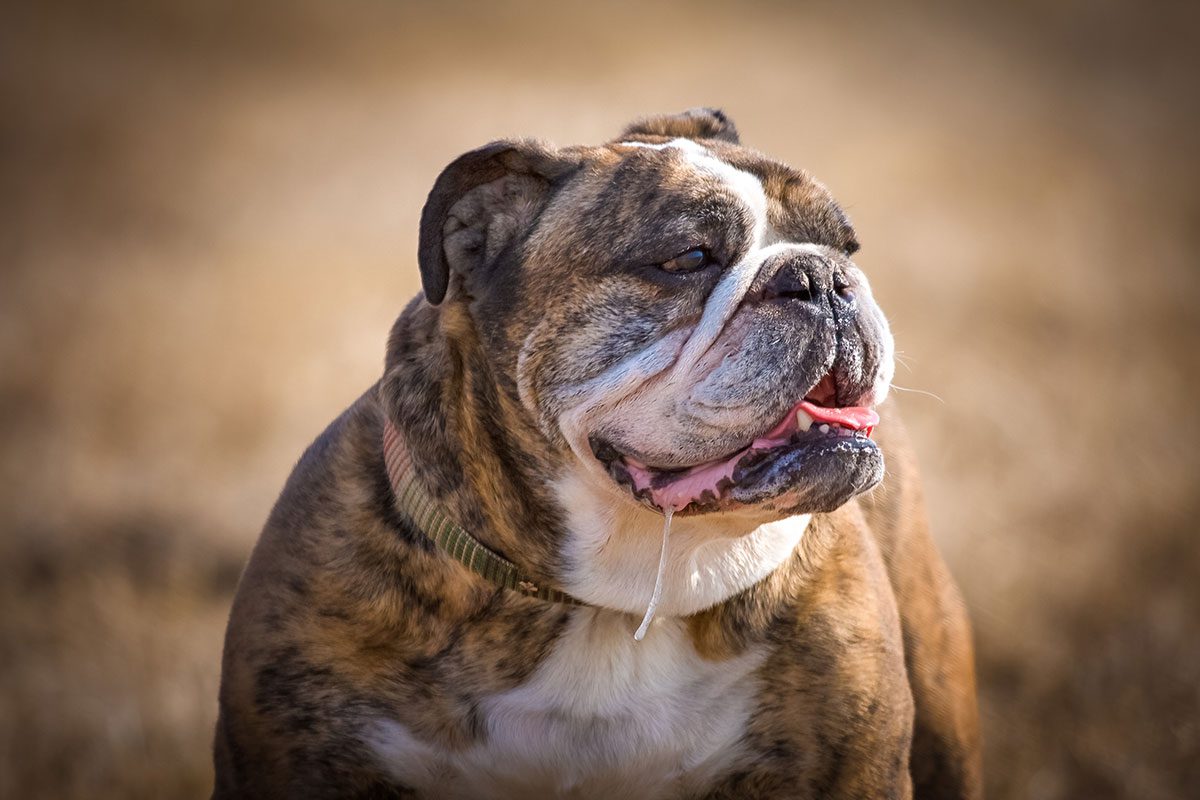
Dog drooling can be completely normal, but a dog drooling excessively can also signal pain, illness, or a medical emergency. Some dogs drool because of breed traits, excitement, or anticipation of food, while others show sudden, heavy drooling in response to nausea, dental disease, toxin exposure, or injury. The key difference comes down to timing,…

Reverse sneezing in dogs often sounds frightening, but it is usually a temporary breathing episode rather than a true medical emergency. During reverse sneezing, a dog rapidly pulls air inward through the nose, producing loud snorting or honking sounds. Many pet owners worry their dog is choking, having an asthma attack, or struggling to breathe.…
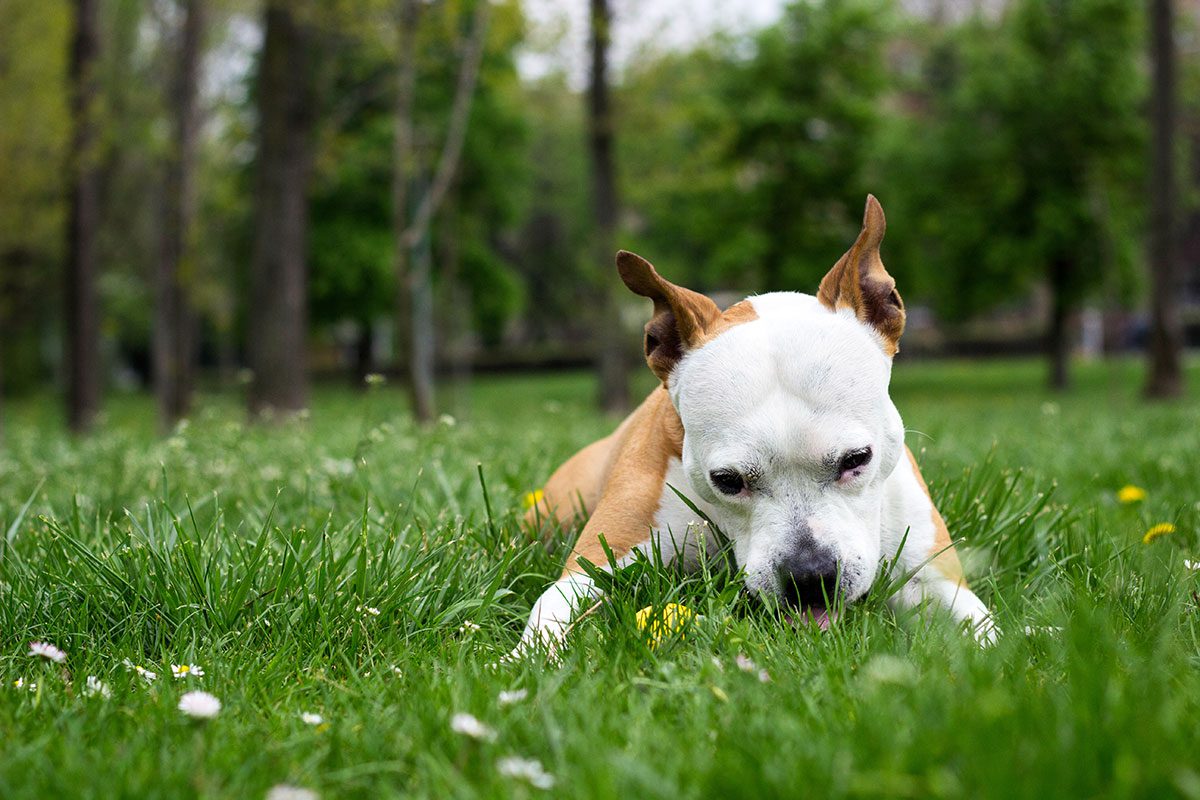
Dogs eat grass for several reasons, and in many cases, this behavior is normal. Some dogs chew grass out of curiosity, boredom, or instinct, while others may do it in response to mild stomach upset or dietary factors. Pet owners often wonder, “Why do dogs eat grass?” because the behavior can look unusual, especially when…

Chocolate is toxic to dogs because it contains methylxanthines, primarily theobromine and caffeine, which a dog’s body processes much more slowly than a human’s. These compounds stimulate the heart and nervous system, leading to signs that can range from stomach upset to life-threatening complications. Many pet owners search, “Why can’t dogs eat chocolate?” after a…

A suddenly empty water bowl can stop any dog owner in their tracks. One day your dog drinks normally, and the next, you notice constant trips to the water dish, longer drinking sessions, and more frequent bathroom breaks. When you see your dog drinking a lot of water, it often signals more than simple thirst…

A dog’s breath should never smell minty, but it also should not make you turn your head away. Dog bad breath often signals more than a minor annoyance; it frequently points to health concerns that deserve attention. Many pet owners notice an odor during cuddles or playtime and wonder, “Why does my dog have bad…

A young, energetic dog bolts across the yard, distracted by every scent and sound, driven by instincts they do not yet understand. Many pet owners reach this stage and start asking important questions about behavior, health, and long-term quality of life. This is where the conversation about the benefits of dog neutering at Carey Animal…

Spaying or neutering your cat is one of the most responsible decisions you can make as a pet owner. It not only helps control the pet population but also offers significant health and behavioral benefits. However, many cat owners wonder, “how old do cats need to be to get fixed?” Timing plays an essential role…