

Why Is My Dog Drooling So Much? When to Worry and When It’s Normal
Dog drooling can be completely normal, but a dog drooling excessively can also signal pain, illness, or a medical emergency. Some dogs drool because of breed traits, excitement, or anticipation of food, while others show sudden, heavy drooling in response to nausea, dental disease, toxin exposure, or injury. The key difference comes down to timing, amount, and your dog’s overall behavior. If drooling appears suddenly, seems extreme, or comes with other symptoms, a veterinarian should evaluate your pet promptly.
Why Do Dogs Drool?
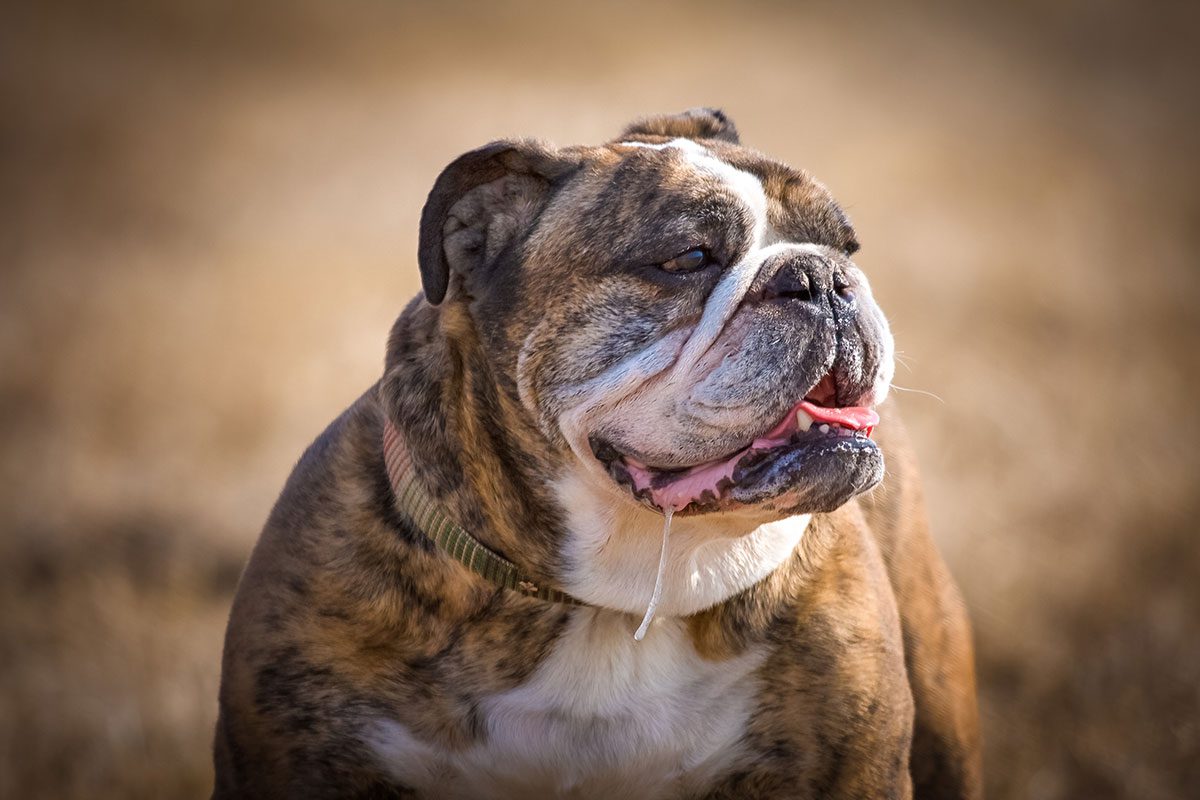
Saliva plays an essential role in digestion, oral health, and temperature regulation, so some level of dog drooling happens in all dogs. Saliva helps lubricate food, supports swallowing, and protects tissues inside the mouth. Certain dogs produce more saliva than others because of lip shape, jowl size, or facial structure. Large and giant breeds with loose lips often show visible drooling even when healthy.
Normal drooling in dogs often occurs during positive or routine situations, including:
- Anticipation of food or treats
- Excitement during play or greetings
- Panting in warm weather
- Relaxation or sleep in some dogs
In these cases, the drooling looks familiar, predictable, and not paired with signs of discomfort. The dog continues eating, playing, and behaving normally.
Why Is My Dog Drooling a Lot?
When a dog drools excessively out of the blue or increases beyond their typical level, underlying medical issues become more likely. Sudden, heavy saliva production often indicates irritation, pain, or nausea. Paying attention to additional signs helps narrow down the cause.
Oral Pain and Dental Disease
Dental problems rank among the most common reasons for drooling in dogs. Inflamed gums, infected teeth, oral tumors, or foreign objects stuck in the mouth trigger excess saliva. Dogs with oral pain may paw at the face, drop food, chew on one side, or resist having their mouth touched. Bad breath and bleeding gums often accompany these signs.
Nausea and Gastrointestinal Upset
Dogs experiencing nausea frequently drool before vomiting. Toxin exposure, dietary indiscretion, motion sickness, and systemic illness can all cause nausea. A dog drooling excessively from nausea may lick its lips repeatedly, seem restless, or refuse food. This type of drooling often appears alongside vomiting or diarrhea.
Toxin or Chemical Exposure
Contact with certain plants, household cleaners, insecticides, or human foods can irritate the mouth or digestive tract. Drooling in dogs after chewing something unusual should raise concern. Foaming saliva, vomiting, tremors, or lethargy suggest urgent veterinary evaluation.
Heat-Related Illness
Dogs rely on panting for cooling, and excessive drooling sometimes accompanies overheating. If a dog drooling excessively also shows heavy panting, weakness, or disorientation in warm conditions, heat stress or heatstroke becomes possible. This situation requires immediate medical attention.
Is Excessive Drooling in Dogs an Emergency?
Some cases of dog drooling demand urgent care, while others allow for same-day or next-day evaluation. The context and accompanying symptoms determine the level of concern. Sudden changes always deserve attention, even if the dog seems only mildly affected at first.
Seek emergency care if drooling in dogs appears with:
- Difficulty breathing or choking sounds
- Collapse, weakness, or seizures
- Known or suspected toxin exposure
- Swollen face or hives suggesting an allergic reaction
- Inability to swallow or obvious throat obstruction
Prompt action improves outcomes when serious illness or injury causes drooling. Even when symptoms look mild, persistent drooling beyond a few hours warrants a veterinary call for guidance.
How Veterinarians Diagnose Excessive Drooling in Dogs
Veterinarians start with a detailed history and physical exam to understand the pattern of dog drooling. Information about diet changes, possible toxin exposure, recent travel, and behavior shifts helps guide testing. The veterinarian evaluates the mouth, teeth, gums, tongue, and throat for visible problems.
Diagnostic steps may include:
- Oral examination under sedation to look for hidden injuries or disease
- Blood tests to assess organ function and signs of infection
- Imaging, such as X-ray,s to check for foreign bodies or internal issues
- Neurological evaluation if drooling accompanies coordination changes
This systematic approach allows the veterinary team to identify the root cause instead of treating drooling alone.
Treatment of Excessive Drooling in Dogs
Treatment focuses on the underlying condition responsible for the dog drooling excessively. Addressing the cause typically reduces saliva production once discomfort or irritation resolves. Dental procedures may treat infected teeth, while supportive care may address nausea or systemic illness.
Veterinary treatment plans often involve:
- Professional dental cleaning or tooth extraction when oral disease exists
- Medications administered in the clinic to control nausea or pain
- Fluids and monitoring for dehydration or toxin exposure
- Surgical or medical care for tumors, injuries, or foreign objects
The veterinary team tailors care based on exam findings and diagnostic results. Early intervention improves comfort and recovery.
Prevention of Excessive Drooling in Dogs
While not every case of drooling in dogs can be prevented, proactive care lowers risk. Routine veterinary visits allow early detection of dental disease and systemic conditions. Good oral hygiene, safe environments, and temperature awareness support overall health.
Helpful prevention steps include:
- Scheduling regular veterinary wellness exams
- Keeping household chemicals and unsafe foods out of reach
- Supervising dogs around new plants or outdoor hazards
- Monitoring dogs closely during hot weather and limiting heat exposure
Watching for subtle changes in eating, chewing, or behavior helps catch problems early before drooling becomes severe.
Concerned About Your Dog’s Drooling?
Sudden or severe drooling can signal discomfort, illness, or an emergency, and prompt veterinary evaluation protects your dog’s health. If your dog’s excessive drooling seems unusual or comes with other symptoms, a professional assessment provides clarity and peace of mind. Call Carey Animal Hospital in Cincinnati, OH, at (513) 531-7117 for more information or request an appointment online.