

When to Worry About Your Cat’s Sneezing: A Complete Guide for Pet Parents
Cat sneezing becomes a concern when it happens frequently, worsens over time, includes nasal or eye discharge, affects appetite or energy, or comes with breathing changes. Occasional cat sneezing can happen from dust or mild irritation, but persistent sneezing in cats often signals infection, inflammation, dental disease, or another medical issue that needs veterinary evaluation. Paying attention to patterns helps you recognize when your cat keeps sneezing for a medical reason instead of a temporary irritation.
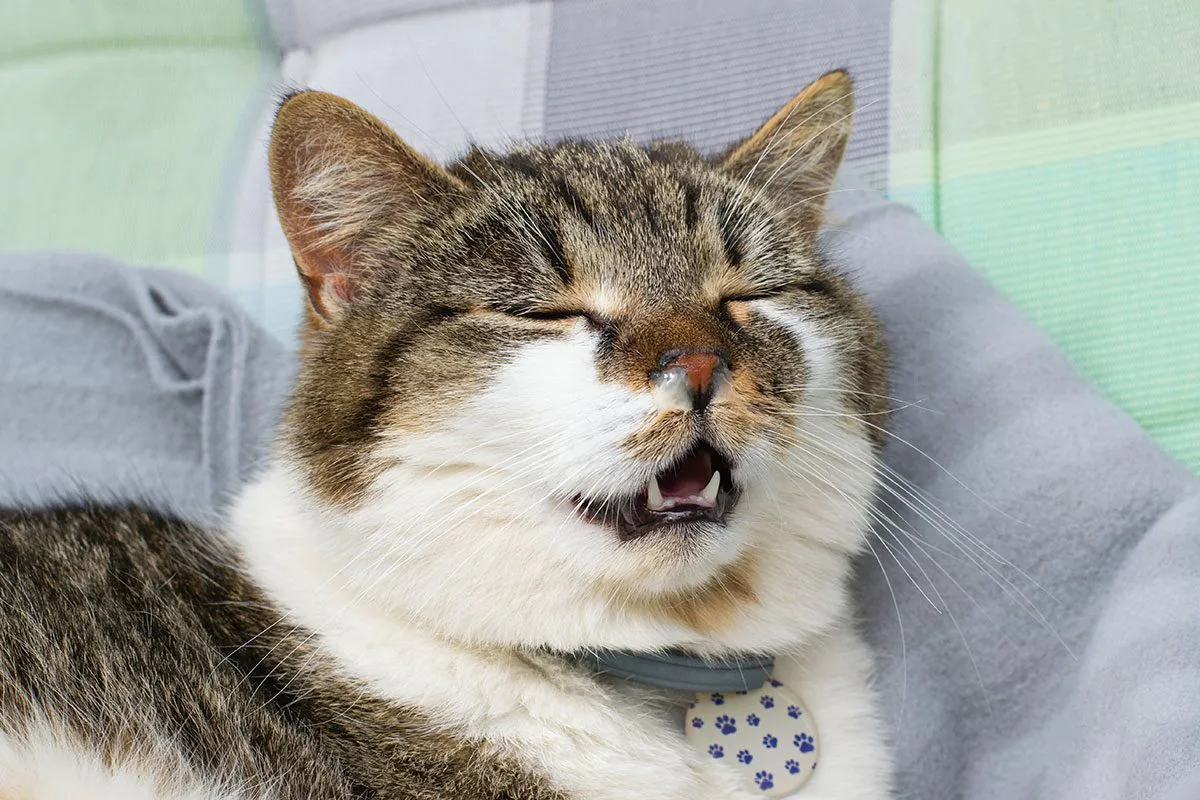
Why Do Cats Sneeze?
Cats sneeze as a protective reflex. The nasal passages contain sensitive tissue designed to trap irritants before they reach the lungs. When something stimulates these tissues, the body forcefully expels air to clear the nose. Sneezing in cats works the same way human sneezing does, but underlying triggers can differ based on environment, immune status, and overall health. Understanding these triggers helps you separate harmless causes from issues that need veterinary care.
Common reasons for cat sneezing include:
- Airborne irritants like dust, smoke, pollen, or strong scents
- Upper respiratory infections caused by viruses or bacteria
- Allergic inflammation affecting the nasal tissue
- Dental disease that spreads to the sinus cavities
- Nasal polyps, foreign material, or structural abnormalities
Occasional sneezing without other symptoms usually resolves quickly. Repeated cat sneezing that lasts several days, becomes more intense, or appears alongside other changes deserves closer attention.
Why Does My Cat Keep Sneezing? Is It Serious?
When a cat keeps sneezing, the pattern and accompanying signs matter more than the sneeze itself. A single sneeze rarely signals trouble. Repeated sneezing in cats, especially with discharge or behavior changes, suggests inflammation or infection inside the upper airways. Early intervention prevents complications and helps cats recover more comfortably. The sooner the cause is identified, the easier it becomes to manage both symptoms and long-term effects.
Upper Respiratory Infections
Upper respiratory infections remain one of the most frequent reasons for cat sneezing. Feline herpesvirus and calicivirus often play a role, especially in kittens or cats from shelters. These viruses irritate nasal tissue, increase mucus production, and trigger frequent sneezing. Cats may also show eye discharge, congestion, fever, or reduced appetite. Secondary bacterial infections can develop when inflamed airways cannot clear mucus effectively, which can make symptoms more severe.
Allergic and Environmental Triggers
Cats can react to environmental particles even if allergies are less common than in dogs. Dust from litter, cleaning sprays, perfumes, construction debris, or smoke can inflame nasal tissue. Sneezing linked to environmental triggers often appears suddenly and may improve once the irritant disappears. However, persistent exposure keeps inflammation active and can lead to chronic nasal sensitivity. Indoor air quality plays a larger role than many pet owners realize.
Dental and Sinus Problems
The roots of the upper teeth sit close to the sinuses. Infection in a tooth can extend into the sinus cavity, leading to one-sided nasal discharge and sneezing. Dental-related sneezing in cats often comes with bad breath, drooling, pawing at the mouth, or reluctance to chew. Because the issue begins below the gumline, it may not be obvious without a veterinary exam and imaging.
Structural Issues and Growths
Polyps, foreign material like plant debris, or tumors inside the nasal passages can also explain why a cat keeps sneezing. These conditions may cause chronic symptoms, noisy breathing, nosebleeds, or facial swelling. Cats with structural issues often show signs on one side of the nose more than the other. Veterinary imaging helps identify these less common but important causes.
When To See a Vet for Your Cat’s Sneezing
Sneezing alone does not always mean urgency, but certain signs indicate the need for prompt evaluation. Cats hide illness well, so subtle changes deserve attention. Early exams help prevent secondary infections, breathing complications, and weight loss associated with reduced appetite.
Seek veterinary care if you notice:
- Sneezing lasting more than a few days
- Thick yellow, green, or bloody nasal discharge
- Eye discharge, redness, or squinting
- Loss of appetite or noticeable lethargy
- Open-mouth breathing, wheezing, or noisy breathing
- Swelling around the nose, face, or under the eyes
- Repeated sneezing fits that disrupt sleep or eating
Kittens, seniors, and cats with existing health issues face a higher risk of respiratory illness. Fast care supports safer recovery and lowers the chance of long-term airway damage.
How Do Vets Determine the Cause of Cat Sneezing?
Veterinarians use a step-by-step approach to uncover why sneezing in cats occurs. Because multiple systems connect in the head and airways, exams look beyond the nose alone. Accurate diagnosis guides targeted treatment and reduces recurrence. Gathering a thorough history about when the cat keeps sneezing, exposure changes, and other symptoms provides valuable clues.
Physical Examination
The exam checks the cat’s eyes, nose, throat, and lymph nodes. Vets listen to breathing, look for dental disease, and assess hydration and temperature. They also evaluate airflow through each nostril and watch for facial symmetry. These findings help narrow the list of possible causes.
Diagnostic Testing
If sneezing persists or worsens, testing may include nasal swabs, bloodwork, or imaging such as dental radiographs or advanced head imaging. Imaging reveals tooth root infections, sinus disease, foreign objects, or structural changes. Laboratory testing helps detect infectious organisms and assess overall health so treatment decisions address the full picture.
How To Treat a Sneezing Cat
Treatment depends entirely on the underlying cause. Some cases involve supportive care for viral infections, while others require addressing bacterial infection, dental disease, inflammation, or structural problems. The goal focuses on reducing irritation, controlling infection, improving airflow, and restoring normal breathing comfort. Monitoring progress ensures symptoms resolve rather than become chronic.
Veterinary care may involve:
- Anti-inflammatory therapy to reduce nasal swelling
- Medications targeting bacterial infection when present
- Dental procedures if tooth disease contributes
- Removal of foreign material or growths from nasal passages
- Supportive care to maintain hydration and appetite during recovery
Cats respond best when treatment starts early. Delays allow inflammation to become long-lasting, which can make future flare-ups more likely.
Why Early Care Makes a Difference
Respiratory tissues remain delicate and highly sensitive. Ongoing inflammation can thicken the nasal lining, reduce normal drainage, and create an environment where infections return more easily. Early veterinary care limits these changes and helps preserve healthy airway function. Addressing sneezing in cats quickly also improves comfort, sleep, and appetite, all of which support healing.
Local Veterinary Care Matters in Cincinnati
Respiratory illness spreads easily among cats in multi-pet homes, shelters, and boarding environments. Prompt evaluation protects both the sick cat and others in the household. Carey Animal Hospital provides diagnostic care tailored to each cat’s symptoms, age, and history. Individualized assessment supports faster recovery and lowers the risk of complications.
Schedule an Evaluation for Persistent Cat Sneezing
If your cat keeps sneezing or shows other respiratory signs, call (513) 531-7117 for more information or request an appointment online. Timely care helps your cat breathe comfortably, maintain normal routines, and avoid complications linked to untreated airway disease.