

Why Is My Cat Pooping Outside the Litter Box?
Cats start cat pooping outside litter box areas because something about their health, comfort, or environment does not feel right. Pain, digestive upset, mobility challenges, or urinary and intestinal disease can make using the litter box uncomfortable. Stress, territorial tension, or changes in routine can also trigger pooping outside the litter box behavior. Even subtle issues such as litter texture, box size, or location influence how safe and usable the litter box feels. This behavior serves as communication, and early investigation helps prevent ongoing problems while protecting your cat’s physical and emotional health.
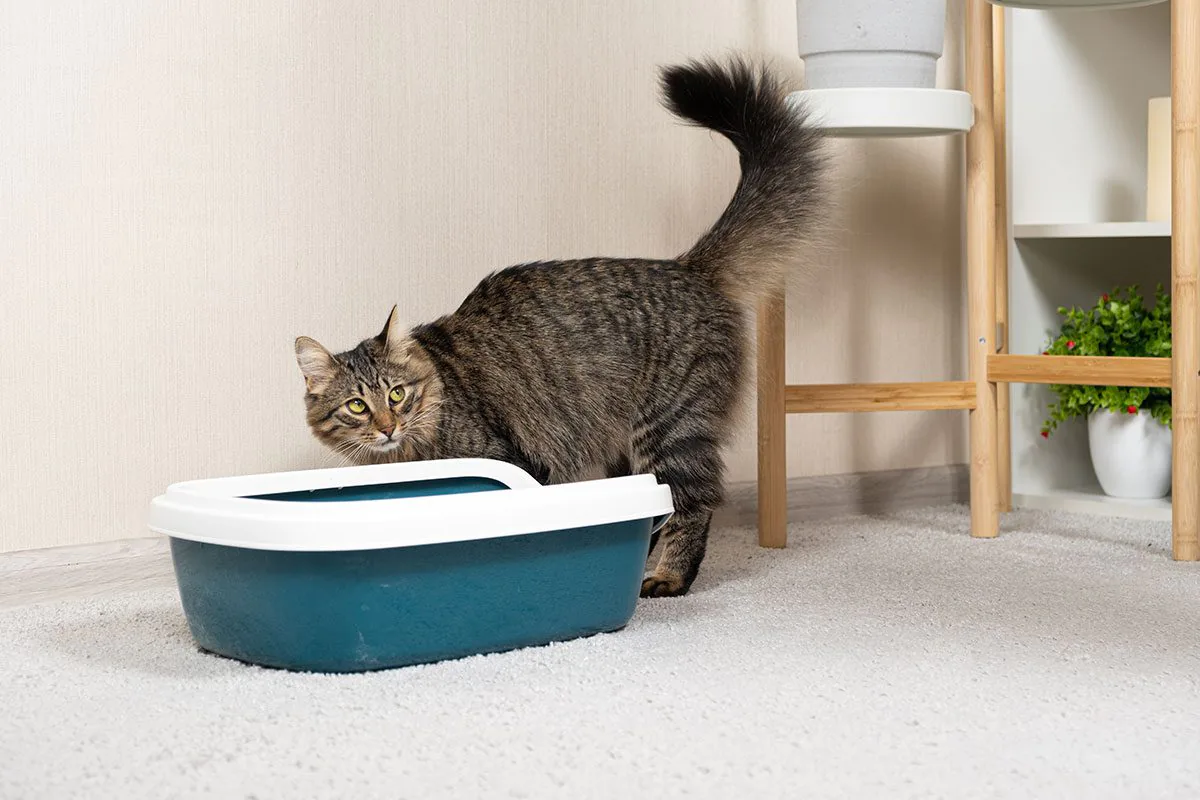
Why Your Cat Is Pooping Outside the Litter Box
When a cat eliminates outside the litter box, the behavior signals a problem rather than defiance. Cats instinctively choose clean, soft substrates and prefer to bury their waste, so avoidance usually reflects discomfort, fear, or a negative association with the box. Adult and senior cats often develop medical conditions that make climbing, squatting, or passing stool painful. Digestive inflammation, constipation, or diarrhea may create urgency that leads to accidents. Environmental discomfort, such as a noisy or dirty litter box area, also drives avoidance.
Medical Reasons Cats Avoid the Litter Box
Veterinary teams evaluate health first because medical concerns commonly lead to cat pooping outside the litter box patterns. Constipation stretches the colon and makes defecation painful, causing cats to associate the litter box with discomfort. Diarrhea creates urgency, and a cat may not reach the box in time. Inflammatory bowel disease, colitis, parasites, or food intolerances irritate the digestive tract and alter stool consistency. Arthritis, spinal pain, or muscle weakness limit mobility, making high-sided boxes or stairs difficult to navigate.
Systemic illnesses can also influence elimination habits. Kidney disease, diabetes, and thyroid disorders may increase thirst and change stool patterns. Neurological conditions that affect sensation or coordination interfere with a cat’s ability to posture normally in the litter box. Anal gland discomfort or rectal irritation can make squatting painful, leading cats to seek alternative surfaces. Because many of these issues progress quietly, litter box changes often provide one of the earliest warning signs.
Litter Box Setup and Environmental Triggers
Cats maintain strong preferences about their bathroom environment, and mismatches can quickly lead to them pooping outside the litter box. A litter box that feels cramped prevents comfortable turning and digging. Covered boxes trap odors and reduce visibility, which can make a cat feel vulnerable. Placement near loud appliances, busy hallways, or areas where other pets block access creates stress. Strongly scented or rough-textured litter can irritate paws and respiratory passages.
Multi-cat households introduce additional challenges. Cats may guard litter boxes, preventing others from entering. Subordinate cats then eliminate elsewhere to avoid confrontation. Insufficient box numbers increase competition and stress. Ideally, each cat should have access to separate, easily reachable litter box areas to reduce social pressure.
Stress, Behavior, and Territorial Concerns
Behavioral and emotional factors influence elimination strongly. Cats thrive on routine, and schedule disruptions, new pets, visitors, or moving homes can lead to anxiety-driven pooping outside the litter box. Some cats use stool marking as a territorial signal in response to perceived threats. Others avoid a litter box linked to a frightening experience, such as a startling noise or being startled while inside. Even subtle changes like new furniture or rearranged rooms can alter a cat’s sense of safety.
Cats also form surface preferences. If a cat once eliminated on a soft rug during illness, that texture may become the new preferred site. Stress can also reduce a cat’s tolerance for minor litter box imperfections that previously went unnoticed. Addressing emotional triggers alongside medical and environmental factors improves long-term success.
How To Stop a Cat From Pooping Outside the Litter Box
Successful resolution starts with a veterinary evaluation to rule out underlying illness. A physical exam, stool analysis, and other diagnostic testing help identify gastrointestinal disease, parasites, or systemic problems. Once medical causes are addressed, environmental adjustments encourage consistent litter box use. Cats respond best when changes support comfort, privacy, and predictability rather than punishment or sudden shifts.
- Provide one litter box per cat plus one extra, placed in separate locations.
- Scoop waste daily and fully replace litter on a regular schedule.
- Use unscented, fine-textured litter that resembles natural soil.
- Offer large, uncovered boxes that allow easy turning and digging.
- Choose low-entry boxes for kittens, seniors, or cats with joint pain.
- Keep boxes away from food, water, and noisy appliances.
Gradual transitions help prevent new stress. Introduce new litter types slowly by mixing with the old litter. Maintain consistent box locations whenever possible. Clean soiled areas thoroughly with enzymatic cleaners to remove odor cues that attract repeat elimination. Avoid scolding, which increases anxiety and worsens avoidance. Calm reassurance and a stable environment encourage positive litter box habits.
Behavioral enrichment also supports success. Provide vertical spaces, hiding areas, and play opportunities to reduce stress. Maintain predictable feeding and interaction routines. In multi-cat homes, ensure each cat has safe resting areas away from others. Reducing overall tension often leads to rapid improvement in litter box reliability.
When To Take Your Cat to the Veterinarian
Any sudden or persistent defecating outside the litter box warrants veterinary attention. Early evaluation prevents complications and addresses discomfort before patterns become ingrained. Seek care immediately if you notice diarrhea, constipation, straining, mucus, or blood in stool. Vomiting, appetite loss, weight changes, lethargy, or increased thirst also signal systemic illness. Senior cats, kittens, and cats with chronic disease require prompt assessment when elimination habits shift.
Frequent accidents, vocalizing during defecation, or visible pain when climbing into the litter box indicate an urgent need for evaluation. Even behavioral causes benefit from professional guidance, since stress-related issues often overlap with subtle medical problems. Prompt care improves comfort, protects organ function, and restores normal routines more quickly.
Support Your Cat’s Health and Comfort
Litter box changes feel frustrating, but they offer valuable insight into a cat’s well-being. Careful observation, environmental adjustments, and veterinary support help identify the underlying cause and restore consistent habits. Addressing concerns early prevents chronic stress and strengthens the human–animal bond. Call Carey Animal Hospital at (513) 531-7117 for more information or request an appointment online to help your cat return to reliable litter box use.