

Are Marshmallows Safe for Dogs? The Xylitol and Sugar Warning
Marshmallows aren’t a safe treat for dogs. So, can dogs eat marshmallows without harm? A single plain one rarely hurts a healthy dog, but some sugar-free marshmallow products may contain xylitol, a sweetener that is dangerous for dogs even in small amounts. Plain marshmallows still bring sugar, calories, and a choking risk with no nutritional benefit. If you’ve ever watched a bag of marshmallows vanish from the counter, or felt your dog’s eyes follow every s’more at a campfire, you’re in good company. Our veterinary team at Carey Animal Hospital in Cincinnati, OH, sometimes hears this question during cookout season. This blog covers how xylitol works, what other risks marshmallows carry, and what to do if your dog has already helped themselves.
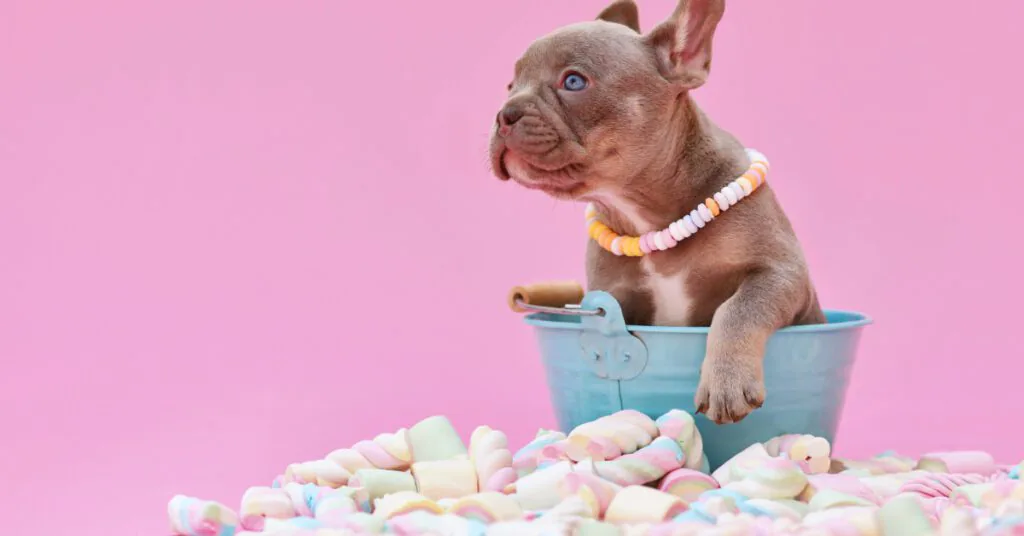
Can Dogs Eat Marshmallows?
Plain marshmallows aren’t poisonous, but they aren’t healthy for dogs either, and the risks vary with the ingredients.
Plain Marshmallows: Not Toxic, Not a Good Choice
Traditional marshmallows are made of sugar, corn syrup, gelatin, and flavoring. None of those ingredients is poisonous to dogs. They also don’t give your dog anything useful. A healthy dog who sneaks one plain marshmallow may show no reaction at all, or may have a mild upset stomach. Size matters, too. A marshmallow that barely registers for a Labrador is a bigger deal for a Chihuahua. Puppies, seniors, and dogs with sensitive stomachs may react to a sudden dose of sugar with gas, loose stools, or vomiting, even from a plain marshmallow.
Why “Just One” Is Harder to Judge Than It Sounds
Ingredient lists differ between brands, and recipes change. Flavored and sugar-free marshmallows may use sweeteners that don’t appear in the classic version. Marshmallows also tend to travel with other foods, like chocolate in s’mores or sugary cereal bars, which raises the stakes. Seasonal and gift-box marshmallows can include chocolate coatings, nuts, or other add-ins that raise the risk further. Because you can’t always tell what’s in a marshmallow by looking at it, the safest answer to whether dogs can eat marshmallows is to skip them and offer something made for dogs.
What About Toasted Marshmallows?
Roasted marshmallows add a new problem. The melted sugar stays hot long after it looks cool, and it can burn your dog’s mouth and tongue. If a marshmallow falls into the fire pit area, don’t let your dog gulp it down.
Artificial Sweeteners in Marshmallows
Xylitol is the sweetener that turns a questionable snack into a true emergency. It’s the most important ingredient to check for on any marshmallow label. So can dogs eat marshmallows that contain xylitol? No, they cannot.
What Xylitol Does to a Dog’s Body
Xylitol is harmless to people, but it affects dogs very differently. In a dog’s body, it triggers a rapid release of insulin, which can cause blood sugar to fall sharply. That drop can begin within minutes, and it can cause weakness, wobbling, seizures, and collapse. Larger amounts can damage the liver. Even a small amount can matter, especially for a small dog. Speed matters, too. The sooner a dog reaches veterinary care after eating xylitol, the more options your veterinary team has.
Do Marshmallows Contain Xylitol?
Classic marshmallows typically rely on sugar and corn syrup, not xylitol. Sugar-free, low-sugar, or “keto” versions are a different story. Those products sometimes use sugar alcohols and other sweeteners, so you have to read the ingredient list every time. Look for the word xylitol, and treat any unfamiliar sweetener as a reason to call your veterinarian. Recipes can also change between seasonal and standard versions of the same brand, so check each bag instead of relying on what you bought last time.
Where Else Does Xylitol Hide?
Marshmallows aren’t the only place xylitol turns up. Check labels on these items, too:
- Sugar-free gum and mints
- Sugar-free candy and baked goods
- Some peanut butters
- Toothpaste and mouthwash
- Certain vitamins and supplements
Because the amount that harms a dog depends on the dog’s size, any sugar-free marshmallow your dog eats deserves a phone call.
Other Risks of Feeding Marshmallows to Dogs
Even xylitol-free marshmallows come with problems. Some show up quickly, and others build slowly over time. The question of whether dogs can eat marshmallows has a nuanced answer, but the downsides clearly outweigh the upsides.
Sugar, Calories, and Weight Gain
Marshmallows are almost pure sugar. A dog who gets them regularly takes in empty calories that crowd out balanced nutrition and add pounds. Extra weight strains joints, makes breathing harder, and can contribute to other long-term health problems. Sticky sugar also clings to teeth, which doesn’t help your dog’s dental health. Treats should make up only a small part of your dog’s daily intake, and marshmallows offer very little in return. Weight problems in dogs often start with small extras that seem harmless, like a marshmallow here and a bite of dessert there.
What About Marshmallow Creme and Fluff?
Marshmallow creme and similar spreads share the same problems: lots of sugar, no nutrition, and sometimes sweeteners worth checking on the label. A lick off a spoon may not harm a large dog, but sticky spreads cling to teeth and encourage begging. Skip those, too.
Choking, Burns, and S’mores
Marshmallows are soft and sticky, which makes them tricky for dogs to swallow. Here are the hazards that come up most often around campfires and kitchens:
- Choking, especially when a dog gulps a large or jumbo marshmallow whole
- Burned mouths from freshly roasted marshmallows
- Chocolate in s’mores, which is toxic to dogs on its own
- Stomach upset, including vomiting or diarrhea, after a sugary snack
- Dental trouble from repeated sticky, sugary treats
Skewers and roasting sticks add another hazard if your dog grabs one near the fire. Small dogs face the highest choking risk, and a stuck marshmallow can quickly become an emergency. If your dog gags, drools heavily, or struggles to breathe after eating one, get to a veterinarian right away.
What Should You Do If Your Dog Ate Marshmallows?
If your dog ate marshmallows, check the packaging first, then call Carey Animal Hospital for guidance. A few quick details help our team give the right advice.
Check the Label Right Away
Find the bag and look for xylitol or any “sugar-free” claim. Save the packaging so you can read the ingredients to your veterinarian, and estimate how many marshmallows your dog ate and when. Details like your dog’s weight and the number eaten help your veterinarian judge the risk. If the marshmallows were plain, there’s no chocolate involved, and your dog seems normal, a mild stomach upset is the most likely result. Even then, a phone call to your veterinarian is a smart step. If xylitol is listed, or you can’t tell, treat it as an emergency.
Who to Call
You have several options, and you don’t need to pick just one:
- Your veterinarian, such as our team at Carey Animal Hospital during our business hours at (513) 531-7117
- The nearest 24-hour emergency veterinary hospital when your clinic is closed
- ASPCA Animal Poison Control Center at (888) 426-4435
- Pet Poison Helpline at (855) 764-7661
Both poison hotlines are staffed around the clock and may charge a consultation fee. Have your dog’s weight, the product name, and the ingredient list ready when you call.
What Not to Do
Don’t try to make your dog vomit, and don’t give medication of any kind, unless a veterinarian or poison expert tells you to. Waiting to see what happens is risky with xylitol, because signs can appear within minutes and can worsen quickly. Vomiting, weakness, a wobbly walk, tremors, or seizures call for an emergency visit right away. At Carey Animal Hospital, your veterinary team may monitor your dog’s blood sugar, provide fluids, and recommend observation to make sure your dog stays stable.
Plan a Dog-Safe Campfire or Cookout
A little planning keeps the fun going for everyone, four-legged guests included. Store marshmallows and s’mores supplies in a closed cabinet or up high, and ask visitors not to slip your dog snacks. Share the same rule with family and guests, so everyone gives the same answer when someone asks whether dogs can eat marshmallows at a party. Many dogs enjoy treats made for dogs, and your veterinarian can suggest options that suit your dog’s age, size, and health.
Carey Animal Hospital in Cincinnati is always glad to talk through safe treats and household hazards at your dog’s next visit. Call us at (513) 531-7117 or book an appointment online. Questions about marshmallows, sweeteners, or anything else your dog has eaten are welcome.
Before the s’mores come out, save your veterinarian’s number, the closest emergency clinic, and a pet poison hotline in your phone.