
Panting in Dogs: Is It Heat, Stress, or Pain?
Dog panting is how your pup cools off, and in most cases it’s perfectly normal. It becomes a concern when the panting is heavy, loud, or happens while your dog rests in a cool room. Picture the difference between a happy dog after a game of fetch and a dog who can’t settle at 2 a.m. with their mouth open and their sides heaving. Both are panting, but they mean very different things. Heat, stress, and pain can each cause it, and so can medical conditions that need a veterinarian’s attention. Our team at Carey Animal Hospital in Cincinnati, OH, helps dog owners sort out which situation they’re facing. Below, you’ll find the common causes, the warning signs worth acting on, and the steps to take when your dog is panting heavily.
Why Does a Dog Pant?
Dogs pant mainly to cool down, because they can’t sweat the way people do. Panting also shows up with excitement, effort, and a few other everyday situations.
How Panting Cools a Dog Down
Dogs sweat only a little through their paw pads. Panting does most of the work instead. Rapid, shallow breaths move air over the moist surfaces of the tongue, mouth, and upper airways, and evaporation carries heat away from the body. It’s an efficient system, but it has limits. When the air is hot and humid, evaporation slows, and your dog has a harder time cooling off.
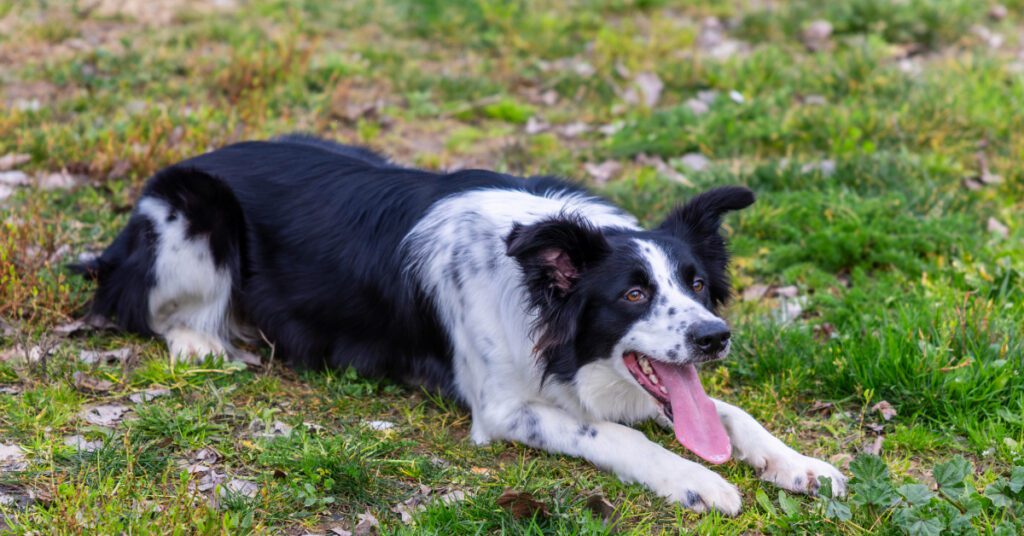
Panting also differs from ordinary breathing. A panting dog takes quick, shallow breaths with an open mouth and a visible tongue, much faster than their usual breathing at rest. That effort should ease as your dog cools down, which is one clue that the panting is the healthy kind.
Normal Reasons for Dog Panting
Healthy dogs pant for plenty of ordinary reasons. You’ll likely recognize these:
- Exercise, such as fetch, a hike, or zoomies in the yard
- Warm weather or a stuffy room
- Excitement over visitors, car rides, or dinner
- Anticipation of a favorite treat or walk
Normal panting usually settles within a few minutes once your dog rests or calms down. It sounds steady and relaxed, and your dog’s mouth looks loose and open.
Do Some Dogs Pant More Than Others?
Yes. Flat-faced breeds like bulldogs, pugs, and Boston terriers pant more easily because their short airways make cooling harder. Dogs with thick coats, senior dogs, and dogs carrying extra weight also tend to pant sooner and longer. Knowing your dog’s breed, age, and body type helps you judge what’s typical for them. Seasons matter, too. Dogs who spend long stretches outdoors often pant more in summer, so seasonal shifts in dog panting aren’t unusual.
Why Is My Dog Panting So Much?
When dog panting seems out of proportion to the situation, several different causes could be behind it. Some are simple to spot, and others need an exam to uncover.
Heat and Overheating
Hot weather, a parked car, or hard exercise can push a dog beyond normal panting and into overheating. Heatstroke is a true emergency, and dogs can go from uncomfortable to dangerously ill faster than many owners expect. Dogs with short noses, thick coats, or heart and breathing problems face the highest risk. Humidity matters as much as temperature, and hot pavement can warm your dog from below.
Stress and Anxiety
Dogs often pant when they feel nervous. Thunderstorms, fireworks, car rides, vet visits, and separation from their people are common triggers. Stress panting often comes with other clues, such as pacing, trembling, whining, lip licking, or yawning. The panting usually eases once the stressful event passes. New visitors, a move, or changes in the household can also set it off, even when nothing obvious seems wrong.
Pain
Dogs are experts at hiding discomfort, and panting may be one of the few signs they show. Arthritis, an injury, dental trouble, or recovery after surgery can all cause it. A dog in pain may pant while resting, pant at night, or seem unable to get comfortable. Look for other clues, such as limping, stiffness after rest, reluctance to climb stairs, or flinching when touched.
Underlying Medical Conditions
Heart disease, lung or airway problems, Cushing’s disease, anemia, and fever can all increase panting. Certain medications, including steroids, may do the same. Extra body weight makes breathing harder, too. Only your veterinarian can sort out which cause fits your dog, so a new pattern of heavy panting deserves a visit. Senior dogs can develop these conditions gradually, which means the panting may creep up over weeks or months and be easy to overlook.
How Can You Tell If a Dog’s Excessively Panting?
Excessive panting stands out because of when it happens, how it sounds, and what else your dog is doing. Context matters more than any single sign.
Panting That Doesn’t Match the Situation
Dog panting that appears at rest, in a cool room, or in the middle of the night is a red flag. So is panting that continues long after exercise ends, or panting that starts suddenly with no clear trigger. If your dog’s breathing looks different from their usual pattern, trust that instinct.
Duration matters, too. A few minutes of panting after a game is expected. Excessive panting in dogs tends to last longer, return throughout the day, or happen with no clear reason. Sound and posture offer clues as well. A dog who stands with their elbows out and neck stretched forward is working hard to breathe, and noisy or strained panting can point to an airway problem.
Warning Signs to Watch For
Pay attention to panting that arrives with any of these signs:
- Restlessness, pacing, or an inability to settle
- Loud, raspy, or labored breathing
- Gums that look pale, blue, gray, or unusually bright red
- Heavy drooling, vomiting, or diarrhea
- Weakness, wobbling, or collapse
- A swollen or tight belly
- Coughing or gagging
Any one of these alongside heavy panting is reason to call your veterinarian. Several together, or any sign of collapse or trouble breathing, means you should head to an emergency clinic right away.
What To Do if Your Dog Is Panting Heavily
If your dog is panting heavily and you can’t tell why, call your veterinarian instead of waiting to see what happens. Quick action makes a real difference, especially with heat-related illness and breathing problems.
When Heavy Panting Is an Emergency
Seek emergency care immediately if heavy panting comes with collapse, blue or gray gums, struggling to breathe, a swollen belly, or a seizure. The same goes for heavy panting after time in the heat. Don’t wait for these signs to improve on their own. Call ahead if you can, so our hospital can prepare for your arrival.
Skip the Home Remedies
It’s tempting to try something yourself, but treating a panting dog at home can backfire. Human medications can harm dogs, and a home fix can delay the care your dog needs. Your veterinarian can tell you what’s safe for your dog’s situation, so a phone call is the best first step.
What To Tell Your Veterinarian
Clear details help your veterinary team move faster. Before you call or arrive, gather the following:
- When the panting started and how long it has lasted
- What happened beforehand, such as exercise, heat, or a stressful event
- Other changes, like coughing, vomiting, or a lower appetite
- Any medications or supplements your dog takes
- Recent changes to your dog’s routine, diet, or environment
A short video of your dog’s breathing can help, too. It lets the veterinary team see what you’re describing, even if the panting has calmed by the time you arrive. Our Carey Animal Hospital team can then examine your dog, look for the cause, and talk through the next steps with you.
Learn Your Dog’s Normal Breathing Pattern
Every dog has a baseline. Notice how yours breathes after a walk, during a car ride, and while napping on the couch. That familiar picture makes changes easier to spot, and it gives your veterinarian useful information at checkups. Dogs pant more in summer, so what’s normal in July may look different in January. Any change from your dog’s usual pattern is worth noting, whatever the season, and dog panting that surprises you is always worth a mention.
Regular wellness exams at Carey Animal Hospital in Cincinnati can also catch heart, weight, and joint concerns before they show up as heavy panting at home. If your dog’s breathing has changed and you’re not sure what it means, give us a call at (513) 531-7117 or book an appointment online.
Your dog can’t tell you when something feels off, but their breathing often does.