

Can Cats Drink Milk? The Truth About Cats and Dairy
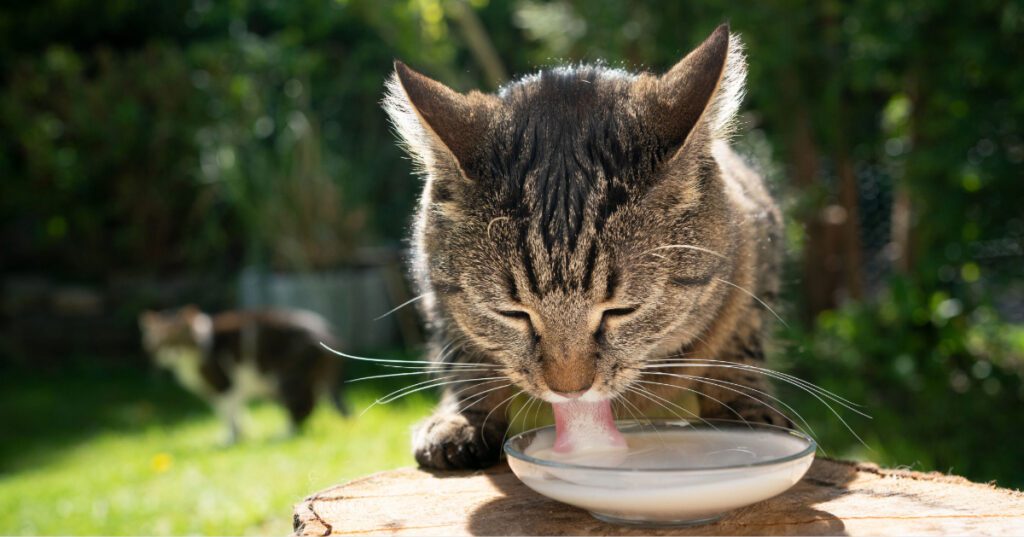
Most adult cats can lap up a little without serious harm, but milk isn’t good for them, and many cats end up with an upset stomach. After kittenhood, most cats lose the ability to digest lactose, so cow’s milk often leads to gas, loose stools, and general discomfort. Here at Carey Animal Hospital in Cincinnati, OH, we hear the question “Can cats drink milk?” from curious cat owners, and we understand why. Saucers of cream have been a feline cliché for generations. The reality is a lot less charming. In this blog, we’ll explain what milk does inside your cat’s body, why kittens are a special case, how milk alternatives compare, and what you can offer your cat instead. You’ll also learn when a tummy upset deserves a call to your veterinarian.
Is Milk Good for Cats?
Milk is not a necessary or recommended part of a cat’s diet, even though plenty of cats go wild for it. If you’ve wondered whether milk is good for cats, the short answer is no. A complete, balanced cat food already provides everything your cat needs, so milk mostly adds extra calories.
Why Do Cats Love Milk So Much?
Cats are drawn to the fat and richness in dairy. Milk smells appealing, and the creamy texture feels rewarding to lap up. Your cat’s enthusiasm doesn’t mean the drink agrees with their body, though. Cats also pick up habits from people, so if someone in your family once poured a saucer of milk, your cat may keep asking for it every morning.
Does Milk Offer Any Nutritional Benefits?
Cats are obligate carnivores, which means they thrive on animal-based protein and specific nutrients like taurine. Commercial cat food is formulated to deliver those nutrients in the right balance. Cow’s milk doesn’t match a cat’s nutritional needs, and it can crowd out the food that does. A cat who fills up on milk may eat less of their regular meals, and those extra calories can add up to weight gain over time.
Is a Little Milk Okay as an Occasional Treat?
Can cats drink milk once in a while without trouble? A few laps probably won’t harm a healthy adult cat, but it’s hard to know in advance how your cat will react. Because the risk outweighs the reward, most veterinarians suggest skipping dairy and choosing treats made for cats instead.
Here are a few reasons milk falls short for cats:
- It adds calories without providing balanced feline nutrition.
- It can upset the digestive tract in cats that lack the enzyme to process lactose.
- It may reduce your cat’s appetite for complete, balanced meals.
- It can contribute to weight gain when offered regularly.
Our team at Carey Animal Hospital often reminds cat parents that treats of any kind should stay small and occasional. Dairy simply isn’t the best choice for a treat, and plenty of better options exist.
Is Your Cat Lactose Intolerant?
Most adult cats are lactose intolerant, and that’s the main reason the answer to whether cats can drink milk is usually “not really.” Understanding why can help you spot trouble early.
What Lactose Intolerance Means for Cats
Kittens produce an enzyme called lactase, which breaks down the lactose in their mother’s milk. As cats mature and move to solid food, lactase production drops. When an adult cat drinks cow’s milk, the lactose goes undigested. It pulls water into the intestines and ferments, which causes gas, bloating, and loose stools. Some cats handle a small amount better than others, but you can’t predict which cat will react.
Can Cats Drink Milk Without Any Trouble?
Yes, some cats seem to handle dairy just fine, and that’s why you may know a cat who has sipped milk for years. Tolerance varies from cat to cat. Even a cat who shows no obvious signs is still taking in fat and calories they don’t need, and a cat who tolerates milk today may react differently as they age.
Signs of an Upset Stomach After Dairy
Symptoms often appear within several hours of drinking milk. Here are the signs cat owners notice most often:
- Diarrhea or unusually soft stools
- Vomiting or retching
- Gas, gurgling sounds, or a bloated belly
- Reduced appetite or low energy
A mild reaction may pass quickly, but you shouldn’t guess when your cat seems unwell. Vomiting or diarrhea that continues can lead to dehydration, and it may point to a problem that has nothing to do with milk. If your cat’s symptoms linger, or your cat just doesn’t seem like themselves, call your veterinarian. Our Carey Animal Hospital team is always happy to talk through your cat’s symptoms and help you decide on the next step.
Can Cats Drink Milk Alternatives?
Lactose-free and plant-based milks may be gentler on some cats, but none of them are a necessary part of a cat’s diet. Think of them as an occasional extra at most, and talk with your veterinarian before making them a habit.
Can Cats Drink Lactose-Free Milk?
Lactose-free cow’s milk has the lactose removed, so it’s less likely to cause the digestive upset that regular milk does. It still contains plenty of fat and calories, though. A cat who drinks it regularly can still gain weight and may skip healthier meals. If you offer it at all, treat it like any other snack and keep portions tiny.
Can Cats Drink Almond, Soy, or Oat Milk?
Plant-based milks aren’t designed for feline nutrition. Many contain added sugar, flavorings, thickeners, or sweeteners that offer cats nothing useful. Some cats tolerate a lick of unsweetened plant milk, and others get an upset stomach anyway. Because every product is formulated differently, read the label carefully and ask your veterinarian about the specific brand before offering it.
What About Milk Made for Cats?
Pet stores sell lactose-free milk products made specifically for cats. These are usually the safest milk-style option because the formula takes feline digestion into account. They’re still treats, not meals. Count them toward your cat’s daily calories and use them sparingly. If you’re curious whether a particular product fits your cat’s needs, your veterinarian can give you a clear answer based on your cat’s age, weight, and health history.
Can Kittens Have Milk?
Kittens need their mother’s milk, but cow’s milk is not a good substitute. This surprises many people, since milk and kittens seem like a natural pair in storybooks.
Why Cow’s Milk Isn’t Right for Kittens
A mother cat’s milk delivers precisely the protein, fat, calories, and antibodies that growing kittens need. Cow’s milk has a very different makeup. It can cause diarrhea in young kittens, and diarrhea can quickly lead to dehydration in such small bodies. Even though kittens produce lactase, cow’s milk still can’t supply what nursing provides.
What If You Find an Orphaned Kitten?
If you find a kitten without a mother, or if a mother cat can’t nurse her litter, call a veterinarian right away. Orphaned kittens need prompt professional guidance on feeding, warmth, and care. Veterinary teams can recommend a kitten milk replacer made for this purpose, which is very different from the milk in your refrigerator. Early help makes a real difference for fragile newborns.
When Do Kittens Start Eating Solid Food?
Weaning happens gradually over several weeks, and kittens usually begin showing interest in solid food around four weeks of age. Your veterinarian can guide the transition and recommend an appropriate kitten food. Once kittens eat solid food regularly, they’ll rely on fresh water and a complete kitten diet, not milk.
What Can Cats Drink Instead of Milk?
So, can cats drink milk, or is something else better? Fresh, clean water is the best drink for your cat, and a few small habits can help your cat enjoy it. Cats often prefer water that tastes and smells fresh, and many are picky about where they drink.
- Refill the water bowl with fresh water every day.
- Try a pet water fountain, since many cats prefer moving water.
- Place several bowls around your home in quiet spots.
- Add wet food to meals for extra moisture.
Cats may drink less than you’d expect, especially when they eat canned food, which already contains moisture. If your cat seems uninterested in water, or you have questions about diet and hydration, schedule a visit with Carey Animal Hospital in Cincinnati. Call us at (513) 531-7117 or request an appointment online. Our veterinary team loves helping cat families find treats and routines that fit their cat’s health and personality, so you never have to wonder whether that saucer of milk is a good idea.